
Introduction
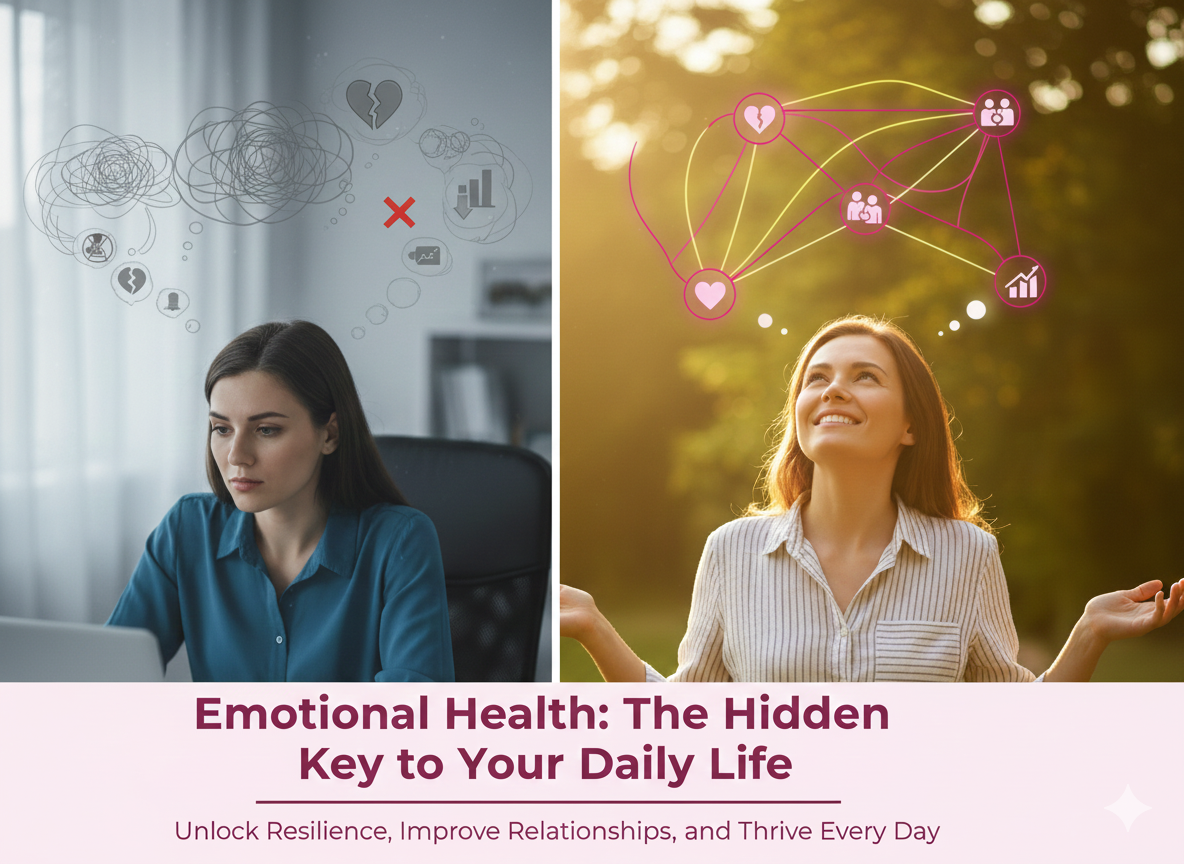
Emotional health shapes how you experience each day—from the way you handle stress at work to how you connect with the people around you. When your emotional well-being is strong, you feel more capable of managing challenges, maintaining relationships, and making clear decisions. When it struggles, even small frustrations can feel overwhelming.
Many people focus on physical health or career goals but overlook the quiet influence of their emotional state. Understanding this connection isn't about fixing everything at once. It's about recognizing patterns, building awareness, and taking small steps toward balance.
This guide explores how emotional health affects your daily life and offers practical strategies to strengthen your emotional resilience.
What Emotional Health Really Means
Emotional health refers to your ability to understand, express, and manage your feelings in healthy ways. It's not about being happy all the time or avoiding difficult emotions. Instead, it's about responding to life's ups and downs without becoming stuck in negative patterns.
People with strong emotional health can:
- Recognize their emotions without judgment
- Communicate feelings clearly and respectfully
- Recover from setbacks with reasonable resilience
- Maintain relationships even during disagreements
- Adapt to change without excessive anxiety
Emotional health exists on a spectrum. Everyone experiences difficult periods, and that's normal. What matters is whether you have tools to navigate those moments constructively.
How Emotional Health Impacts Your Relationships
The quality of your relationships often reflects your emotional well-being. When you feel emotionally balanced, you're more likely to listen actively, express needs clearly, and handle conflicts calmly. When emotional health declines, misunderstandings multiply and small issues escalate.
Communication Becomes Clearer
Emotionally healthy individuals tend to express themselves without blaming others or shutting down. They can say "I felt hurt when that happened" instead of "You always do this to me." This shift in language reduces defensiveness and opens space for genuine conversation.
Boundaries Feel Natural
Understanding your emotional limits makes it easier to set boundaries. You can decline commitments that drain you or ask for space when needed—without guilt or excessive explanation. This protects your energy and prevents resentment from building over time.
Conflicts Resolve Faster
Disagreements are inevitable, but emotional health determines how you move through them. When you can acknowledge your part in a problem and listen to another perspective, resolution becomes possible. Without this capacity, arguments loop endlessly.
The Connection Between Emotional Health and Work Performance
Your emotional state directly influences your focus, decision-making, and productivity. When emotions are balanced, you think more clearly and respond to workplace challenges with flexibility. When they're not, concentration suffers and mistakes increase.
Decision-Making Under Pressure
Stress and anxiety narrow your thinking. You might fixate on worst-case scenarios or make impulsive choices to escape discomfort. Emotional stability allows you to weigh options calmly and consider long-term consequences before acting.
Energy and Motivation Levels
Persistent sadness, frustration, or burnout drains motivation. Tasks that once felt manageable become exhausting. Taking care of your emotional health helps sustain the energy needed for consistent performance.
Professional Relationships
Workplace interactions require emotional regulation. Whether you're giving feedback, collaborating on projects, or managing conflict, emotional health determines whether these exchanges strengthen or strain working relationships.
Physical Health and Emotional Well-Being Are Connected
The mind and body communicate constantly. Chronic emotional distress can manifest as headaches, digestive issues, fatigue, or weakened immunity. Similarly, physical discomfort can worsen mood and increase irritability.
Research shows that prolonged stress elevates cortisol levels, which affects sleep quality, appetite, and inflammation. While emotional health isn't a cure for medical conditions, managing it can reduce the physical toll of daily stress.
Conversely, taking care of your body—through movement, nutrition, and rest—supports emotional stability. A walk outside can shift your mood. A full night's sleep improves emotional regulation the next day. These aren't separate systems; they work together.
Common Signs Your Emotional Health Needs Attention
Sometimes emotional struggles build gradually, making them easy to dismiss. Recognizing early warning signs helps you address issues before they become overwhelming.
Watch for these patterns:
- Persistent irritability: Small annoyances trigger strong reactions
- Withdrawal from activities: Losing interest in things you once enjoyed
- Sleep changes: Difficulty falling asleep, staying asleep, or sleeping too much
- Concentration problems: Struggling to focus or complete routine tasks
- Physical tension: Tight shoulders, jaw clenching, or frequent headaches
- Emotional numbness: Feeling disconnected or indifferent to things that matter
Experiencing one or two of these occasionally is normal. When several persist for weeks, it's worth taking action.
Practical Ways to Strengthen Emotional Health
Improving emotional well-being doesn't require dramatic life changes. Small, consistent practices build resilience over time.
Create Space for Reflection
Spending a few minutes daily checking in with yourself helps you notice patterns. Ask simple questions: What am I feeling right now? What triggered this emotion? What do I need? This awareness is the foundation of emotional health.
Develop Healthy Outlets
Emotions need expression. Some people find relief through journaling, while others prefer physical activity, creative projects, or talking with trusted friends. Find what works for you and use it regularly—not just during crises.
Limit Exposure to Stressors
While you can't eliminate all stress, you can reduce unnecessary sources. This might mean setting boundaries with certain people, limiting news consumption, or saying no to commitments that deplete you without purpose.
Build a Support Network
Having people you can talk to openly makes emotional challenges more manageable. This doesn't mean oversharing with everyone—it means identifying one or two individuals who listen without judgment and offer perspective when needed.
Seek Professional Support When Needed
Therapy isn't just for severe problems. Speaking with a counselor can help you develop coping strategies, process difficult experiences, and gain clarity on recurring patterns. It's a proactive step, not a last resort.
To support your emotional wellness journey, you can explore resources like the Emotional Health Tracker on Heartoze, which helps you identify patterns and monitor your well-being over time.
When Emotional Health Challenges Require Professional Help
Self-care practices are valuable, but they have limits. Certain signs indicate that professional support is necessary:
- Thoughts of self-harm or suicide
- Inability to complete daily responsibilities for extended periods
- Substance use to cope with emotions
- Relationship breakdowns affecting multiple areas of life
- Persistent feelings of hopelessness lasting several weeks
If you experience any of these, reaching out to a mental health professional is important. Emotional health challenges are treatable, and getting help early improves outcomes significantly.
How Small Daily Choices Compound Over Time
Emotional health doesn't transform overnight. Progress happens through small, repeated actions that gradually shift your baseline well-being.
Choosing to pause and breathe before reacting in anger builds emotional control. Setting one boundary this week makes the next one easier. Talking about a difficult feeling reduces its power over you.
These moments seem minor individually, but they accumulate. Over months, you'll notice patterns: you recover from setbacks faster, conflicts feel less draining, and daily challenges become more manageable.
The goal isn't perfection—it's building resilience that helps you navigate life's inevitable difficulties with greater ease.
The Role of Self-Compassion in Emotional Well-Being
Many people are their own harshest critics. When you make a mistake or feel overwhelmed, you might spiral into self-blame. This internal criticism worsens emotional distress rather than motivating improvement.
Self-compassion means treating yourself with the same kindness you'd offer a friend facing similar struggles. It involves acknowledging difficulty without judgment and recognizing that imperfection is part of being human.
This doesn't mean avoiding responsibility or making excuses. It means responding to your challenges with understanding rather than shame. Research suggests that self-compassion improves emotional resilience and reduces anxiety and depression.
Building Emotional Health Into Your Routine
Integrating emotional wellness into daily life makes it sustainable. Rather than treating it as an extra task, look for ways to weave it into existing habits.
Morning check-in: Take two minutes before starting your day to notice how you feel and set an intention.
Midday reset: Step away from work briefly to stretch, breathe, or walk outside—especially during stressful periods.
Evening reflection: Spend a few minutes journaling or mentally reviewing the day. What went well? What challenged you? What did you learn?
These simple practices keep you connected to your emotional state and prevent issues from building unnoticed.
Related Tools and Guides on Heartoze
- Emotional Health Tracker: Monitor your mood patterns and identify triggers
- Stress Management Guide: Learn techniques to reduce daily stress
- Mental Wellness Resources: Explore practical tools for emotional balance
- Productivity Planner: Organize tasks in ways that protect your mental energy
Frequently Asked Questions
Q: How long does it take to improve emotional health?
A: Progress varies by person and circumstance. Some people notice shifts within weeks of consistent practice, while deeper patterns may take months to change. Small improvements often appear first—like recovering from stress slightly faster or communicating more clearly during conflict.
Q: Can emotional health improve without therapy?
A: Yes, many people strengthen emotional well-being through self-care practices, supportive relationships, and healthy lifestyle choices. However, therapy can accelerate progress and provide tools for complex challenges. It's a personal decision based on your specific needs.
Q: Is it normal to have bad days even when working on emotional health?
A: Absolutely. Emotional health isn't about eliminating difficult days—it's about reducing their frequency and intensity while improving your ability to cope. Everyone experiences setbacks. What matters is whether you can move through them without getting stuck.
Q: How do I know if my emotional struggles are serious?
A: Consider duration, intensity, and impact. If negative emotions persist for several weeks, interfere with daily functioning, or include thoughts of self-harm, professional support is important. When in doubt, speaking with a counselor can help you assess whether additional help is needed.
Q: Can physical health problems affect emotional well-being?
A: Yes. Chronic pain, sleep disorders, hormonal imbalances, and other physical conditions can significantly impact mood and emotional regulation. If you're addressing emotional health without improvement, it's worth consulting a healthcare provider to rule out underlying medical factors.
Q: What's the difference between emotional health and mental health?
A: The terms overlap but have different emphases. Mental health refers to overall psychological well-being, including diagnosable conditions like depression or anxiety. Emotional health focuses specifically on how you understand, express, and manage feelings. Both are important and interconnected.
Conclusion
Emotional health quietly influences every aspect of daily life—your relationships, work performance, physical well-being, and overall sense of balance. Recognizing its importance is the first step. Taking small, consistent actions to strengthen it creates meaningful change over time.
This isn't about achieving a perfect emotional state or never feeling stressed again. It's about developing the awareness and tools to navigate life's challenges with greater resilience and clarity.
Start with one small practice this week. Notice how you feel. Adjust as needed. Over time, these moments of attention add up to a stronger foundation for well-being.
If you're looking for practical ways to track and support your emotional wellness, explore the tools available on Heartoze designed to help you build lasting habits and understand your patterns better.